
Consumers Face Sticker Shock as Borrowing Costs Surge
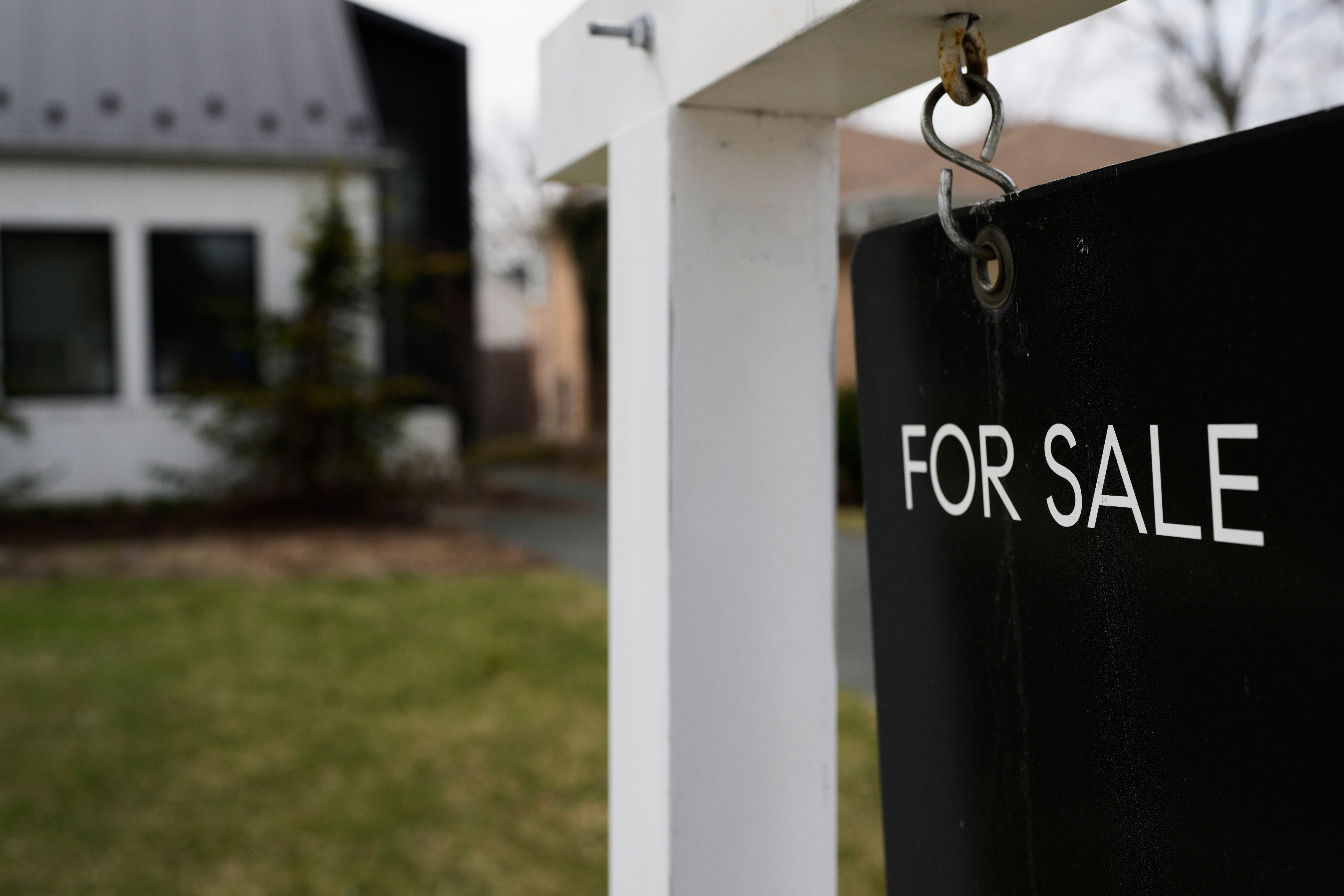
In the United States, consumers are experiencing significant 'sticker shock' due to sharply rising borrowing costs for mortgages and cars, with mortgage rates hitting their highest level in almost three years.
 Grand Rapids Kalamazoo Battle Creek, MI, October 7, 2026 —
Consumers across the United States are confronting substantial increases in borrowing costs, a phenomenon leading to what is commonly described as ‘sticker shock,’ particularly affecting those seeking mortgages and car loans. The trend highlights a period of rapidly escalating interest rates for major consumer purchases.
Mortgage rates, a key indicator of housing affordability, have reportedly reached their highest point in nearly three years. This sharp rise means that the cost of financing a home purchase has become significantly more expensive for prospective buyers, potentially impacting real estate markets and individual household budgets.
Alongside the mortgage market, the automotive sector is also seeing consumers grapple with elevated borrowing costs for car purchases. While specific details on the magnitude of the increase for auto loans were not provided in the trend summary, the broader context indicates a nationwide pressure on consumers due to higher financing expenses.
The underlying reasons for these widespread increases in borrowing costs are not detailed in the provided summary, nor are the specific timelines beyond the mortgage rate observation. The trend summary indicates that the impact is being felt broadly across the U.S. economy as consumers face the financial implications of higher rates for essential and significant purchases.
The term ‘sticker shock’ effectively captures the consumer sentiment of surprise and concern over the steeper financial commitments now required for mortgages and vehicles. This situation presents a challenge for many individuals and families navigating their financial planning and purchasing decisions in the current economic climate.
Story summarized from the original created by Stephan Bisaha on www.npr.org, see more information here.
Media gallery

