Christopher Kolenda Announces ‘Zero-Sum Victory’ Audiobook
INDIES Gold Medal winner brings lessons from Vietnam, Iraq, and Afghanistan to listeners amid conflict with Iran and
Press Release Disclaimer: This is a press release distributed through the XPR Media network. It has not been independently verified by our newsroom.
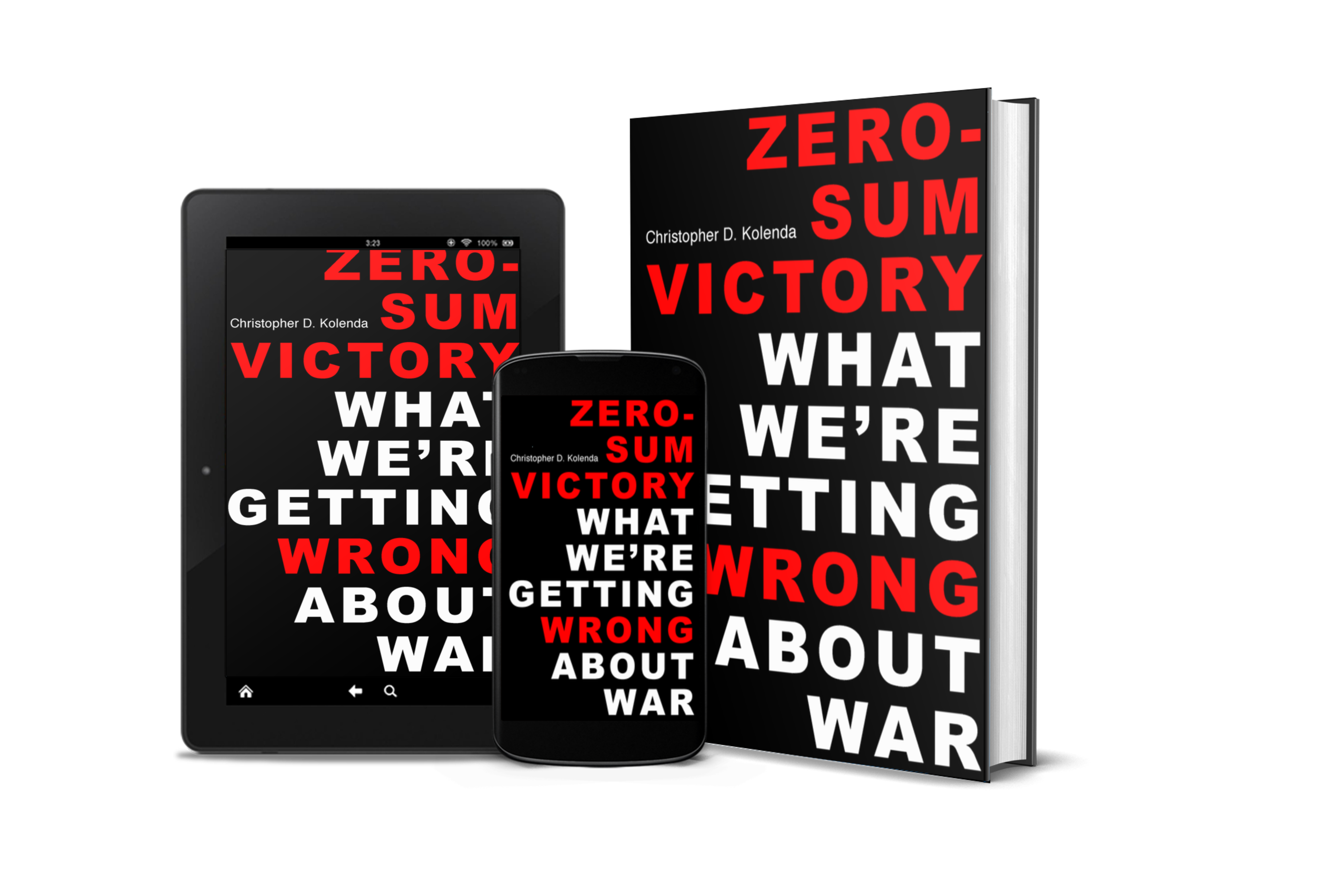

INDIES Gold Medal winner brings lessons from Vietnam, Iraq, and Afghanistan to listeners amid conflict with Iran and the continuing war in Ukraine
EL PASO, TX, UNITED STATES, October 7, 2026 /EINPresswire.com/ — Christopher D. Kolenda’s award-winning book, Zero-Sum Victory: What We’re Getting Wrong About War, is now available as an audiobook, bringing its examination of America’s recurring strategic failures to a new audience. Narrated by Bill Nevitt and published by University Press Audiobooks, the audio edition arrives as U.S. conflict with Iran and the continuing war in Ukraine underscore the importance of connecting military action and other elements of national power to achievable political outcomes.
Originally published by the University Press of Kentucky, Zero-Sum Victory won the 2021 Foreword INDIES Gold Medal in the War & Military category. The book examines why overwhelming military advantages and repeated battlefield successes failed to produce durable results in Iraq and Afghanistan, with Vietnam providing a historical comparison.
Its central warning is that the U.S. government struggles to learn from experience. Kolenda identifies patterns that recur across administrations, generations, and political parties: pursuing decisive victory when it is unlikely to achieve the nation’s goals, persisting with failing strategies, and postponing meaningful negotiations until the decision to withdraw has weakened American leverage.
Drawing on extensive research, interviews with senior officials and his own experience as a combat commander, Pentagon adviser and participant in peace talks, Kolenda explains how these failures develop. Agencies report progress within their individual responsibilities while the broader strategy falters. Optimistic assessments obscure deteriorating conditions. Local partners pursue interests that diverge from American objectives. Opportunities to secure an acceptable outcome narrow as the war continues.
“Winning in war occurs when the concerned side, in this case the United States, achieves its policy aims.” Kolenda writes in the book. Decisive military victory is often not necessary, and pursuing it can be counterproductive.
Kolenda shows how U.S. Presidents consistently over-index on military force and offers a simple way to avoid that trap.
That distinction gives the audiobook particular relevance to current debates over Iran and Ukraine. Although its case studies concern earlier wars, Zero-Sum Victory offers a framework for examining the questions facing policymakers today: What outcome is achievable? Who, below the President, is in charge of meeting the President’s objectives and accountable for it? What evidence would justify changing course? How can diplomacy, economic power, and military pressure work together to bring a conflict to a successful conclusion?
Kolenda proposes reforms to avoid future quagmires: put someone in charge of the war and coordinating U.S. elements of national power. Create strategies that integrate military, economic, diplomatic, and other elements of national power instead of letting them operate in silos, and develop expertise in wartime negotiations.
Retired General Stanley A. McChrystal called the book “the most thoughtful analysis yet of America’s recent conflicts—and future challenges.” Publishers Weekly described it as “an insightful call for rethinking U.S. military strategy.”
The audiobook makes these lessons available to listeners interested in national security, military history, diplomacy, and government decision-making. Zero-Sum Victory: What We’re Getting Wrong About War is available on Audible.
Christopher D. Kolenda
Chris Kolenda
+1 571-303-8096
Visit us on social media:
LinkedIn
YouTube
Legal Disclaimer:
EIN Presswire provides this news content “as is” without warranty of any kind. We do not accept any responsibility or liability
for the accuracy, content, images, videos, licenses, completeness, legality, or reliability of the information contained in this
article. If you have any complaints or copyright issues related to this article, kindly contact the author above.

Media gallery